Research

Sign up to our research email list and gain free access to a recent piece.

To view research in full (except for webinar clips and other pieces labelled ‘free’) you need a paid subscription.

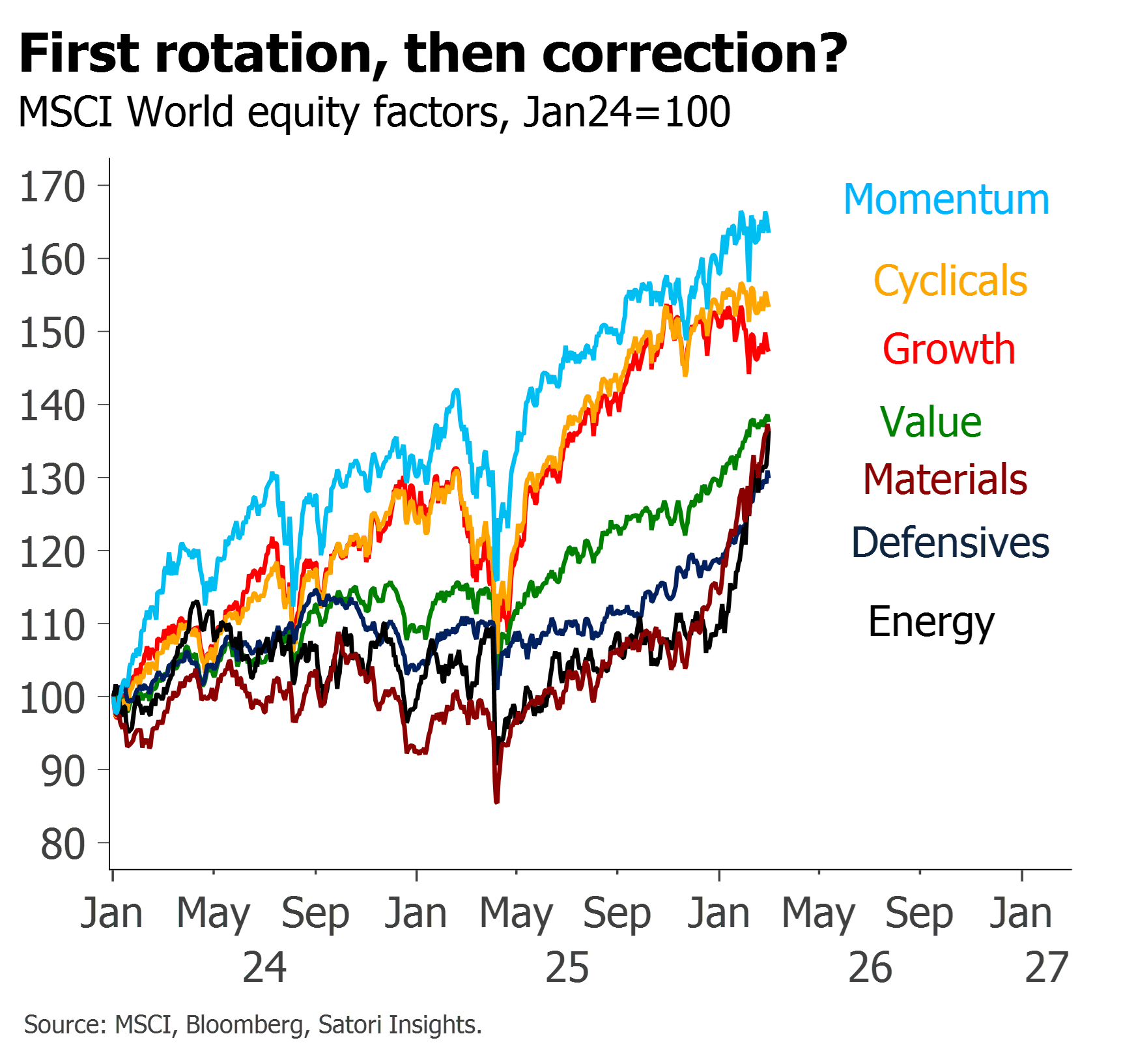
  • War in the Middle East is interacting with prior market vulnerabilities
  • The problem lies neither with the growth outlook nor with the risk of an inflation spike
  • It is that investors suddenly have multiple reasons to shift from what had already been violent risk rotation to outright risk reduction
  • Our favourite US capital flight chart analytics
  • Updated as of date above
  • Valuation & positioning metrics for USTs, USD and gold
  • Now with added high-frequency charts
  • Up-to-date snapshot of the most important flows & liquidity metrics
  • CB liquidity vs multiple markets
  • Private vs central bank credit
  • Mutual fund+ETF flows
  • CB balance sheet details
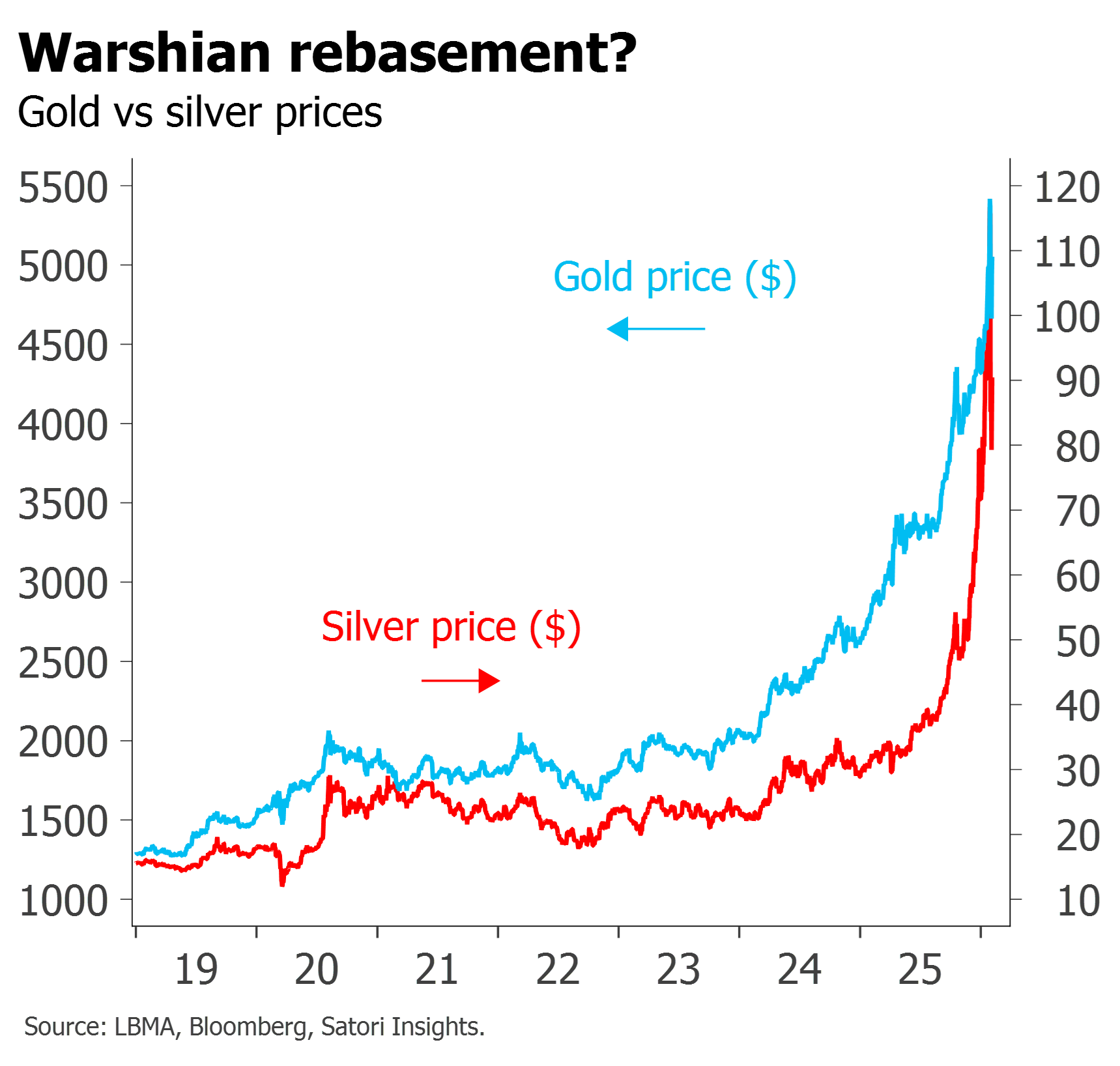
  • Warshian balance sheet contraction need be neither psychological thriller nor horror flick
  • Non-US jurisdictions combine lower reserves with less money market volatility
  • It's just a question of shifting from supply-led to demand-led liquidity provision
  • Markets are starting to recognize the radicalism of a Warshian Fed
  • But they are pricing its impact too narrowly
  • The key involves understanding the link between balance sheet, rates, and affordability
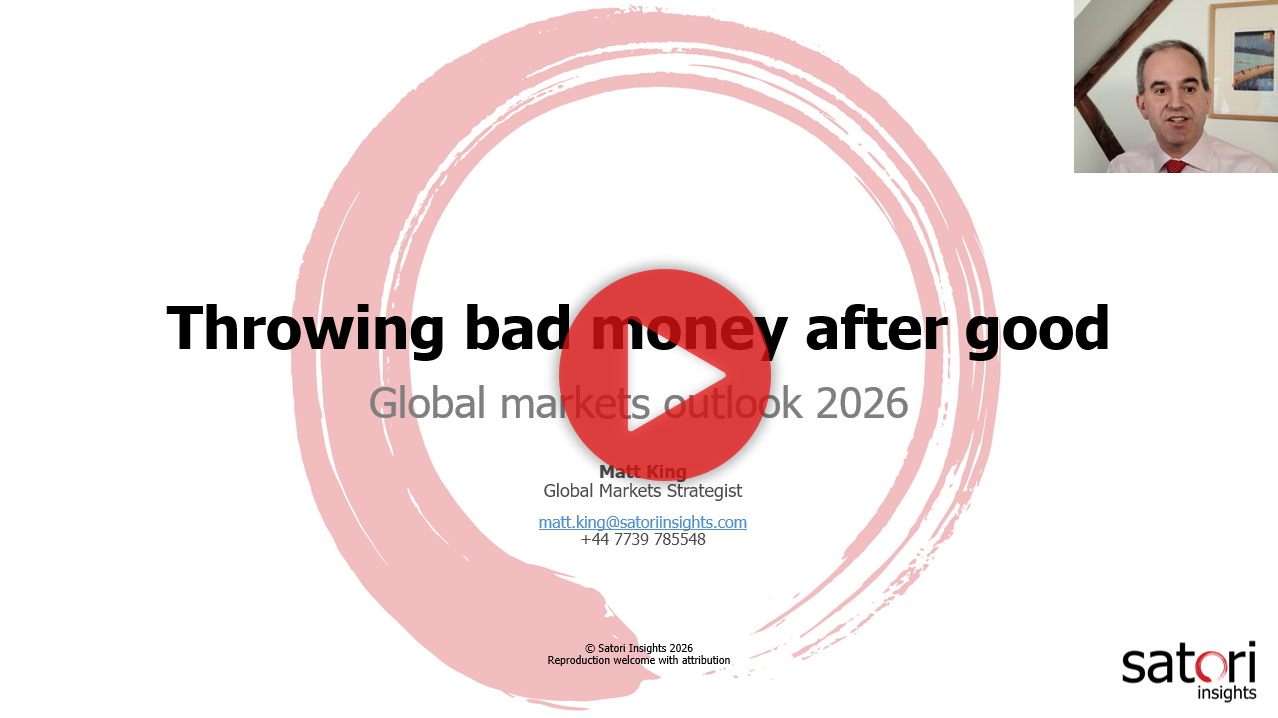
  • Free clip from 23 Jan webinar
  • Consensus around 2026 forecasts is completely at odds with real-world uncertainty
  • The trick for investors is finding ways to position for underpriced regime change risks without simply disinvesting
  • First 15 minutes free to view; full version only for clients with Group Webinar and One-on-one subscriptions
  • Street forecasts for a 2026 show a remarkable consensus
  • This is completely at odds with elevated real-world uncertainty
  • The gap reflects markets' struggle to price potential for regime change as institutions and assets are pushed towards breaking points
  • The trick for investors is to find positions which are robust to regime change before it becomes everyone's forecast
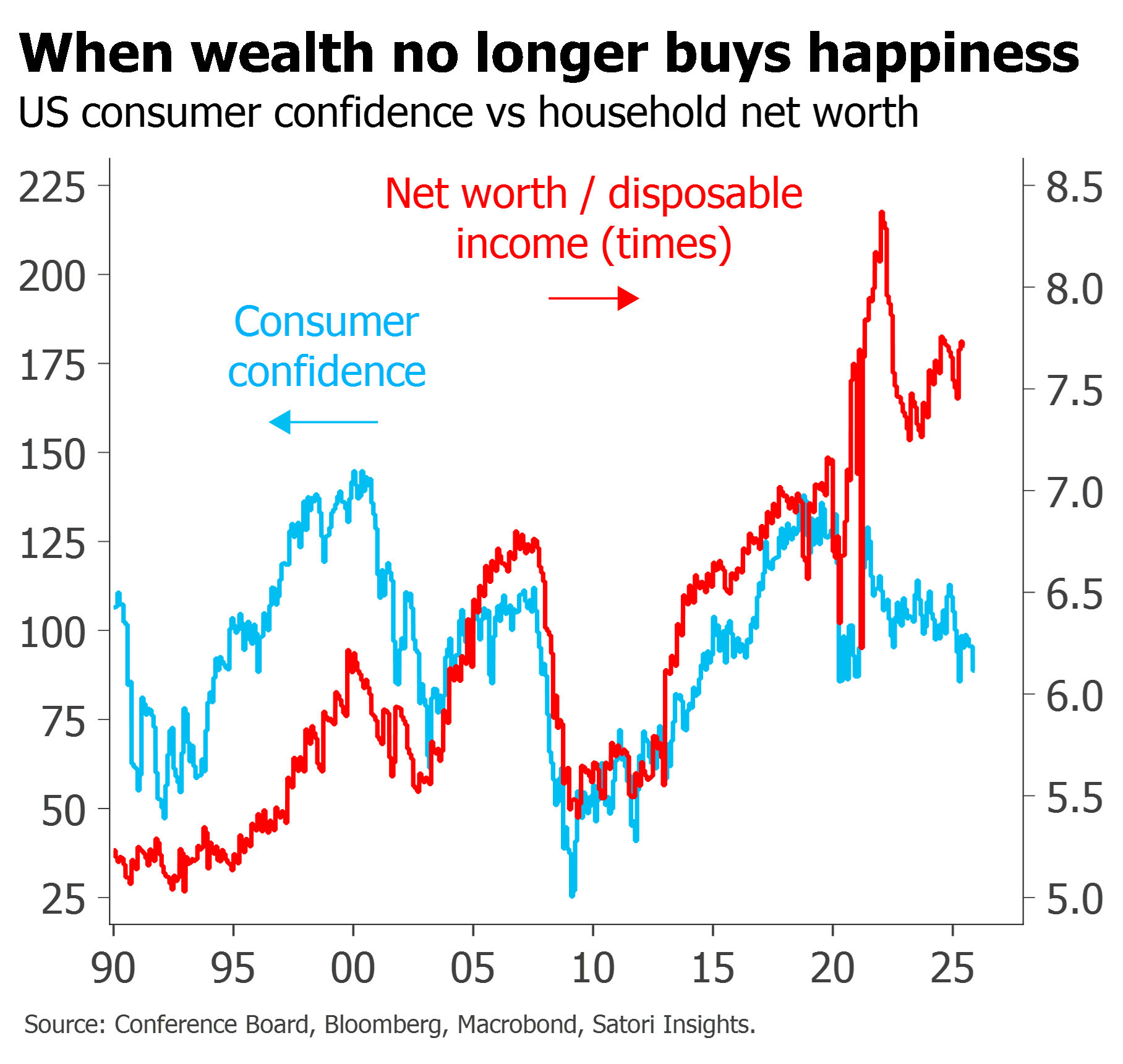
  • The more markets rise, the greater is the gap to consumer sentiment
  • We are used to explaining this in terms of a K-shaped economy
  • But together with record profit share and margins and the narrowness of the equity rally, it is also consistent with monopolization, regulatory capture and enshittification
  • This helps explain why not only labour but also consumers are suffering, implies a critical role for politics - and ultimately paints a more fragile picture of society collapsing towards technofeudalism
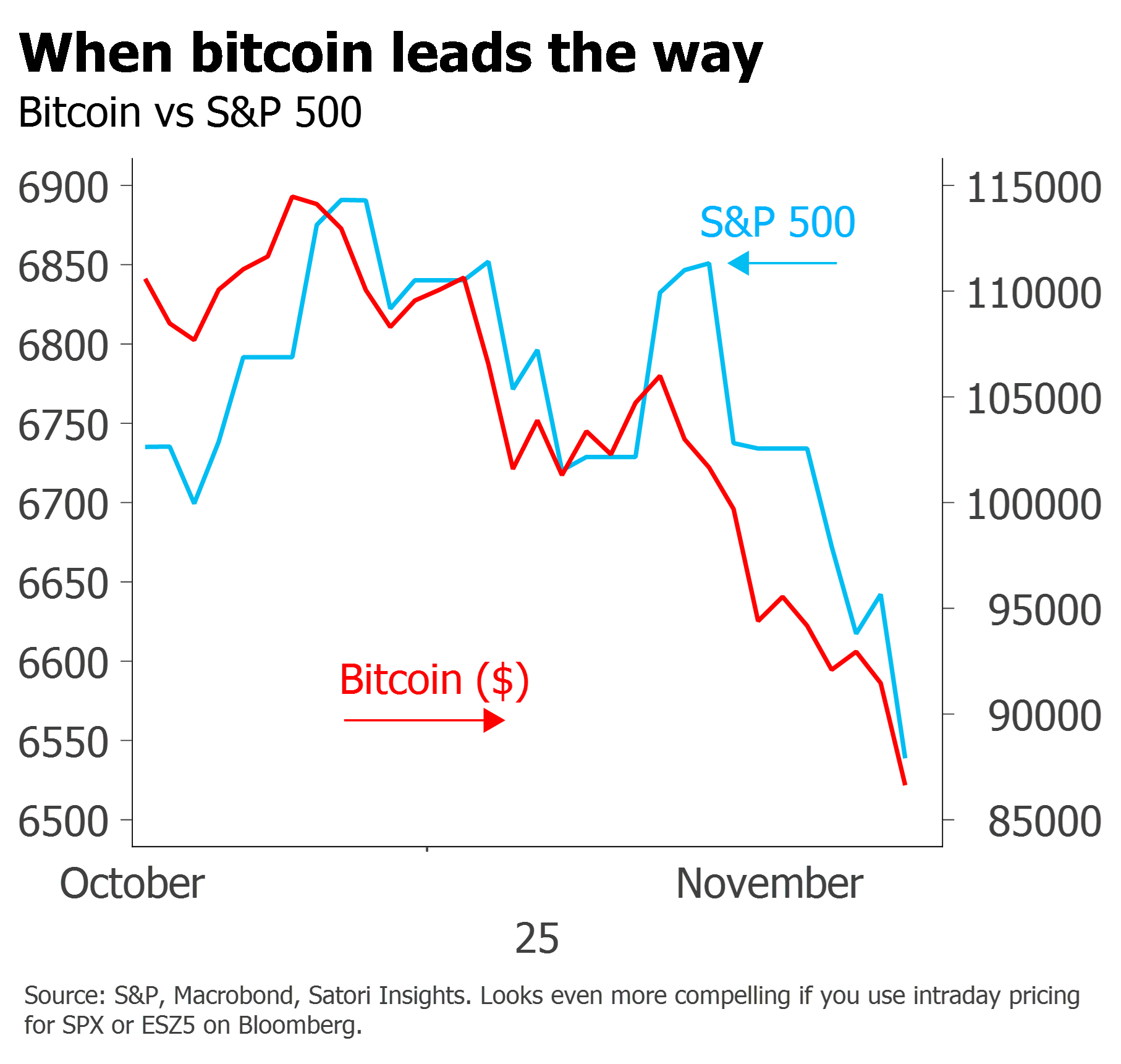
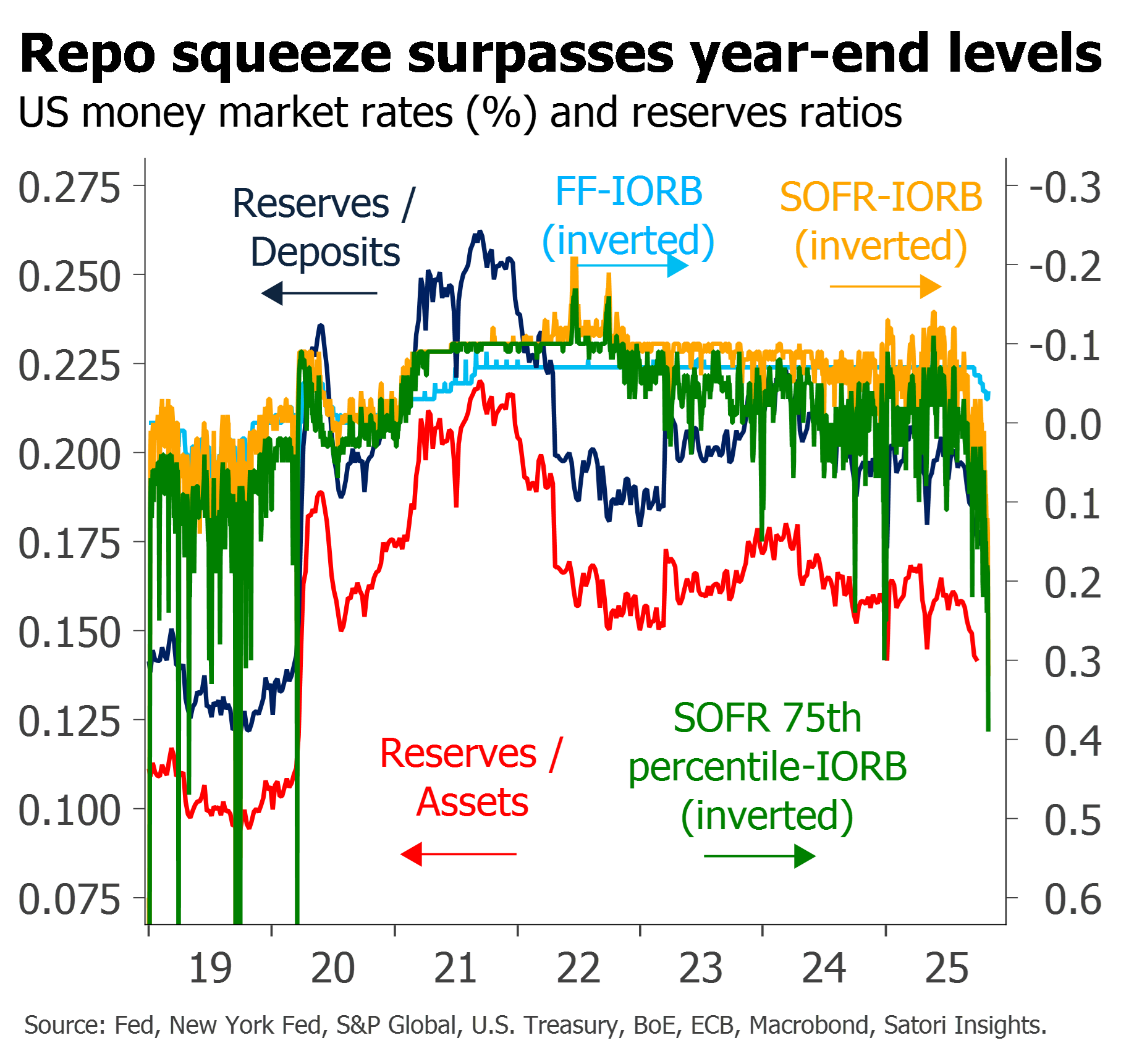
  • Markets are reeling from a monetary triple whammy: repo tightness, a faltering of other forms of credit creation, and a record $900bn in reserves drainage
  • But all these sources of monetary tightness ought to ease
  • The question is whether this episode drives a more enduring reduction in risk appetite and fund flows

  • US repo rates have already spiked beyond year-end levels
  • The squeeze seems likely to continue - and intensify - while the US government shutdown does
  • The immediate consequences are $-positive and risk-negative - but mostly point to a deeper unwind of crowded hedge fund positions
Share:

By subscribing, I consent to the privacy policy.

Sign in with Microsoft
satori insights full logo transparent

Login successful.