Skip to content
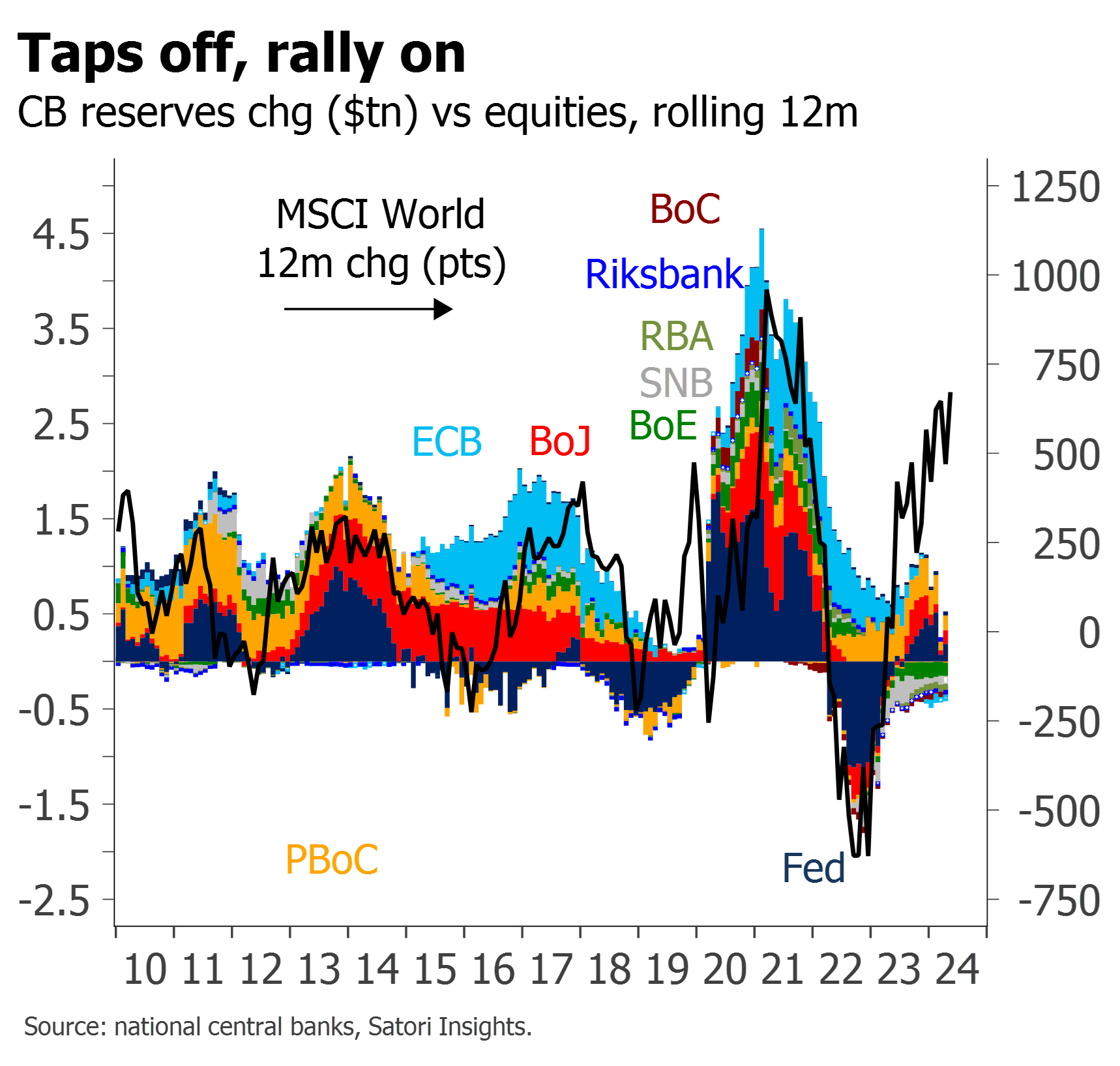
Over the past week central banks drained $300bn in liquidity: as much as in April and more than in August
While this was partially reflected in the post-Labor Day selloff, the risk is of more to come
Resilient fund inflows are a partial panacea, but risk simply lagging
The best explanation for markets’ summer slump and rapid rebound lies neither with rates nor with the economy
It sits – yet again – squarely with swings in central bank liquidity
While the resilience of fund flows and cutting of leveraged positions is somewhat reassuring, on balance we still see the support as temporary
Attempting to explain the market bounce in terms of economic data fails to do justice to the prior sell-off
Flows & liquidity indicators once again shed light on the moves
On balance they leave us skeptical
The increase in VaR is sparking a broad-based, and potentially indiscriminate, unwinding of leveraged positions
The first question is which other leveraged positions are at risk
The second question is whether fund flows will hold up
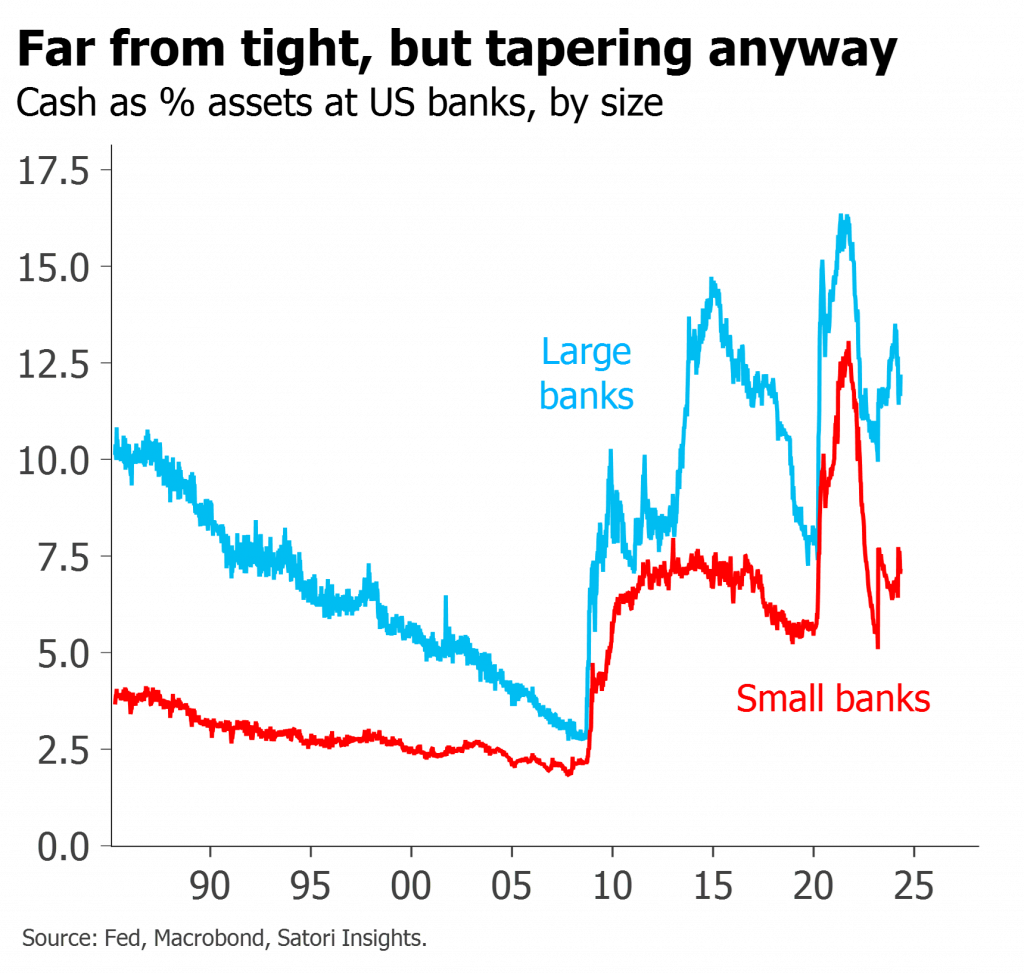
Central bank rescue easing or liquidity packages are likely only with a much bigger sell-off or more obvious signs of systemic leveraged distress
The violent rotation in equities is sparking hopes of a fundamentally-driven rally
It has been aided by record fund inflows and a spike in CB liquidity
But the details of both the flows and the liquidity leave us skeptical
Expect the rotation to continue, but not the rally
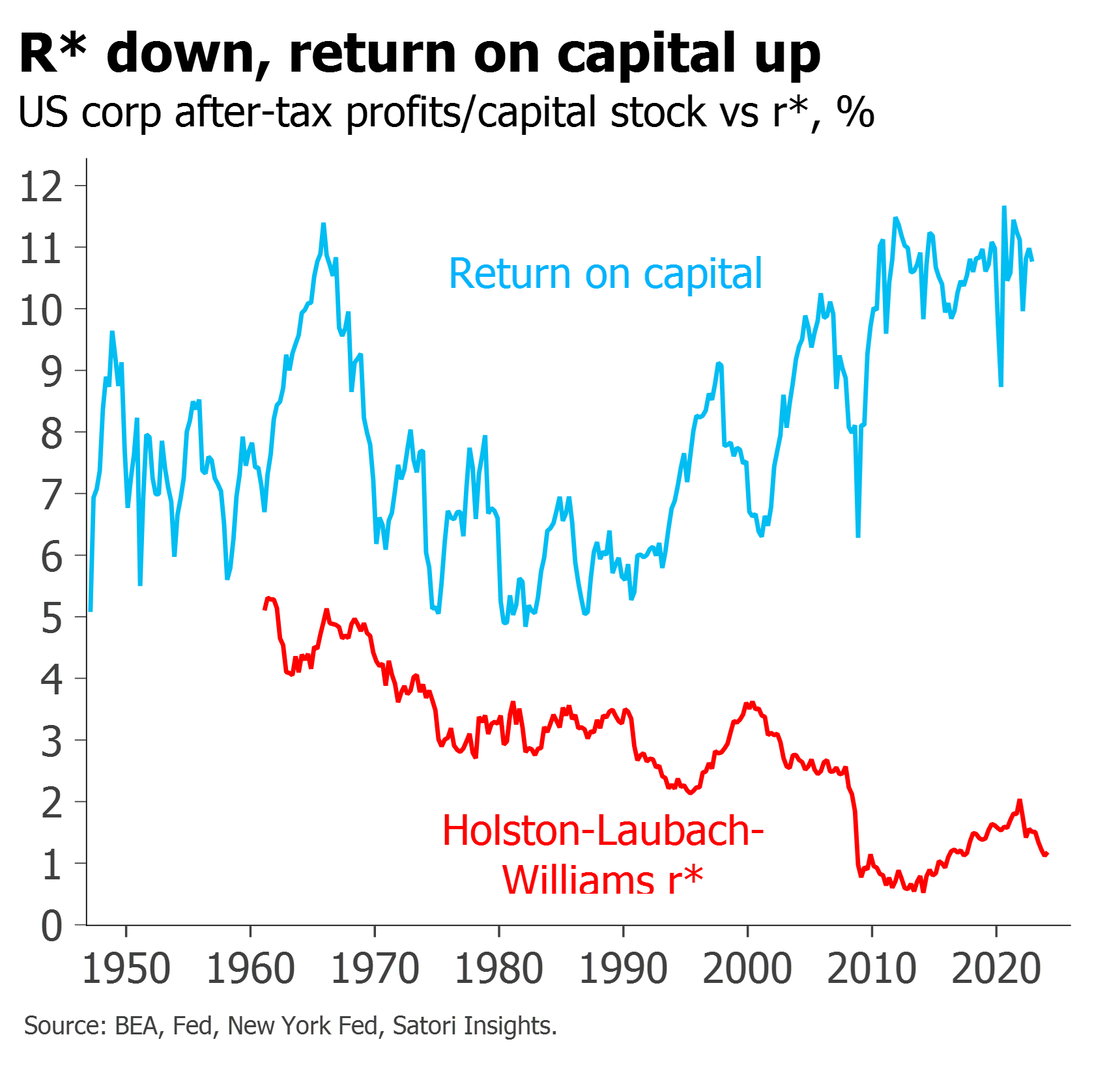
Recent statements are a reminder of the importance of neutral rates for policymakers
But they also illustrate confusion – not only about the level of r*, but even as to what it is supposed to be measuring
At the heart of the confusion lies a failure to distinguish between the impact of balance sheet on markets, and of rates on the economy
This potentially leads to very different conclusions for r* and policy
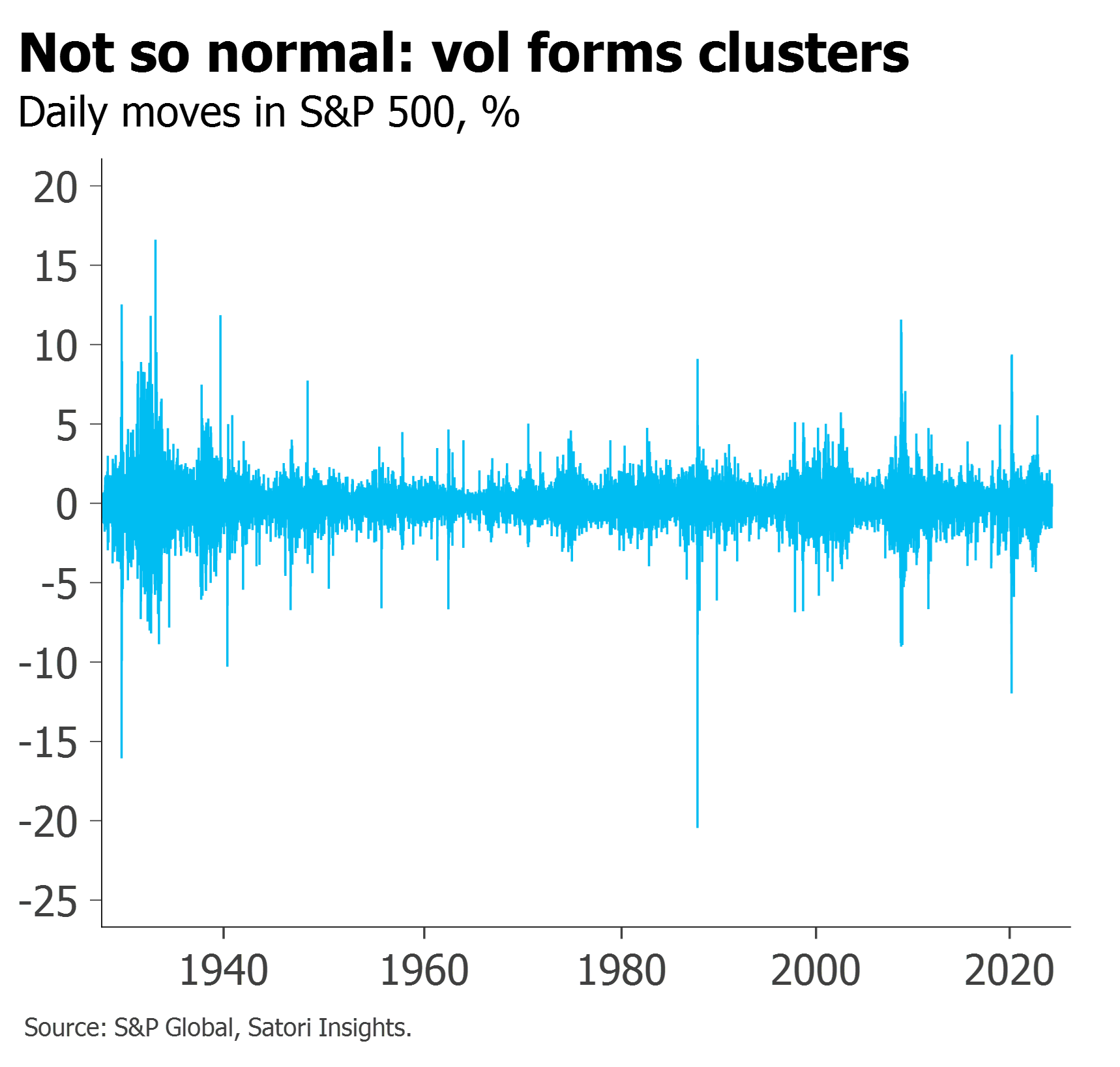
Markets and economies should be analyzed as ‘complex systems’
Their fat tails and emergent behaviours fit poorly with traditional linear economics, but very well with complexity modelling techniques
Lessons from other complex arenas apply equally well to investing
We have been arguing markets face greater risk of melt-up than melt-down
But the speed and extent to which many levels are deviating, not only from fundamentals but even from many technicals, is striking
Expect fund inflows to continue to swamp such concerns – but watch for any sign of faltering
The significance of last week’s FOMC lies neither with the rate view, nor with the earlier, larger taper of QT – mildly bullish though both of these are.
It comes instead from the stark asymmetry of the response function which was described.
While the true test remains with the details of the liquidity outlook, in conjunction with the Treasury refunding this opens the door to a continued cross-asset rally through Q2.
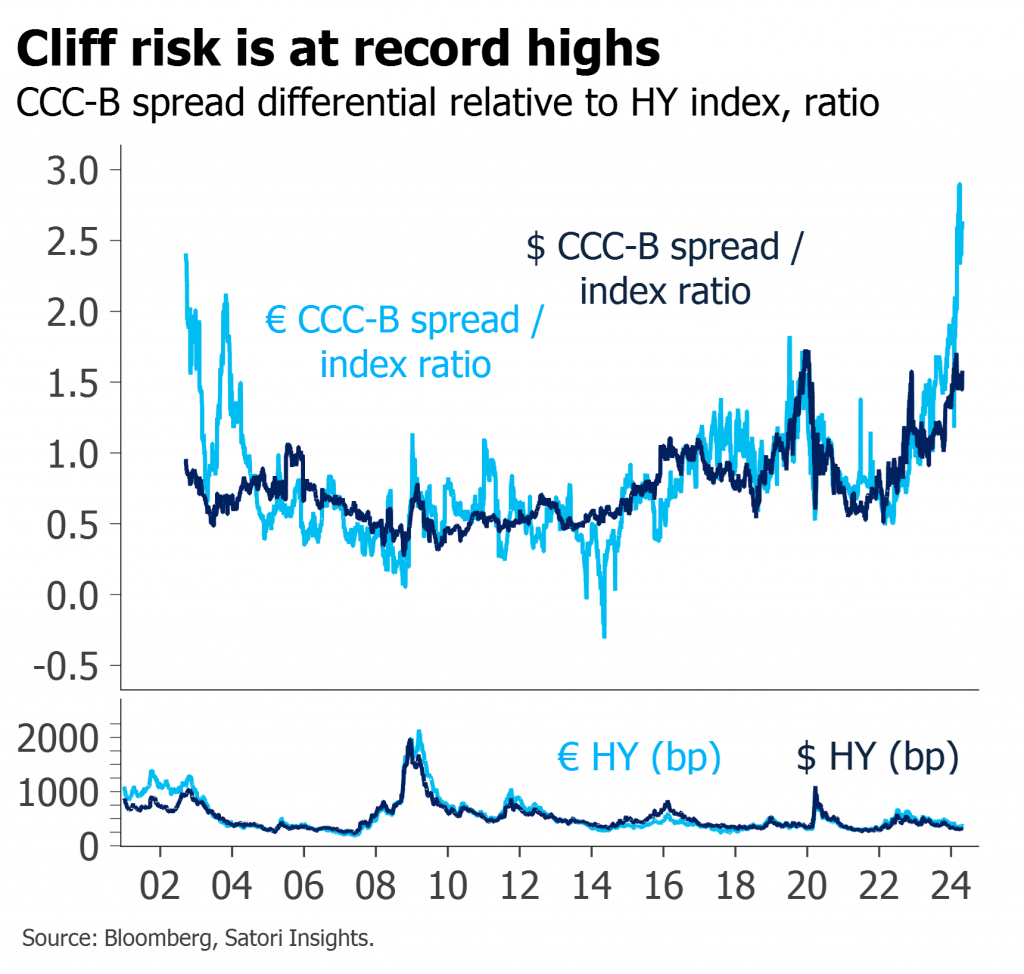
Relative CCC cliff risk has risen to record highs
This partly reflects hidden idiosyncratic risks from low recoveries and abandoned covenants
But mostly it signifies the macro suppression of index spreads