Skip to content
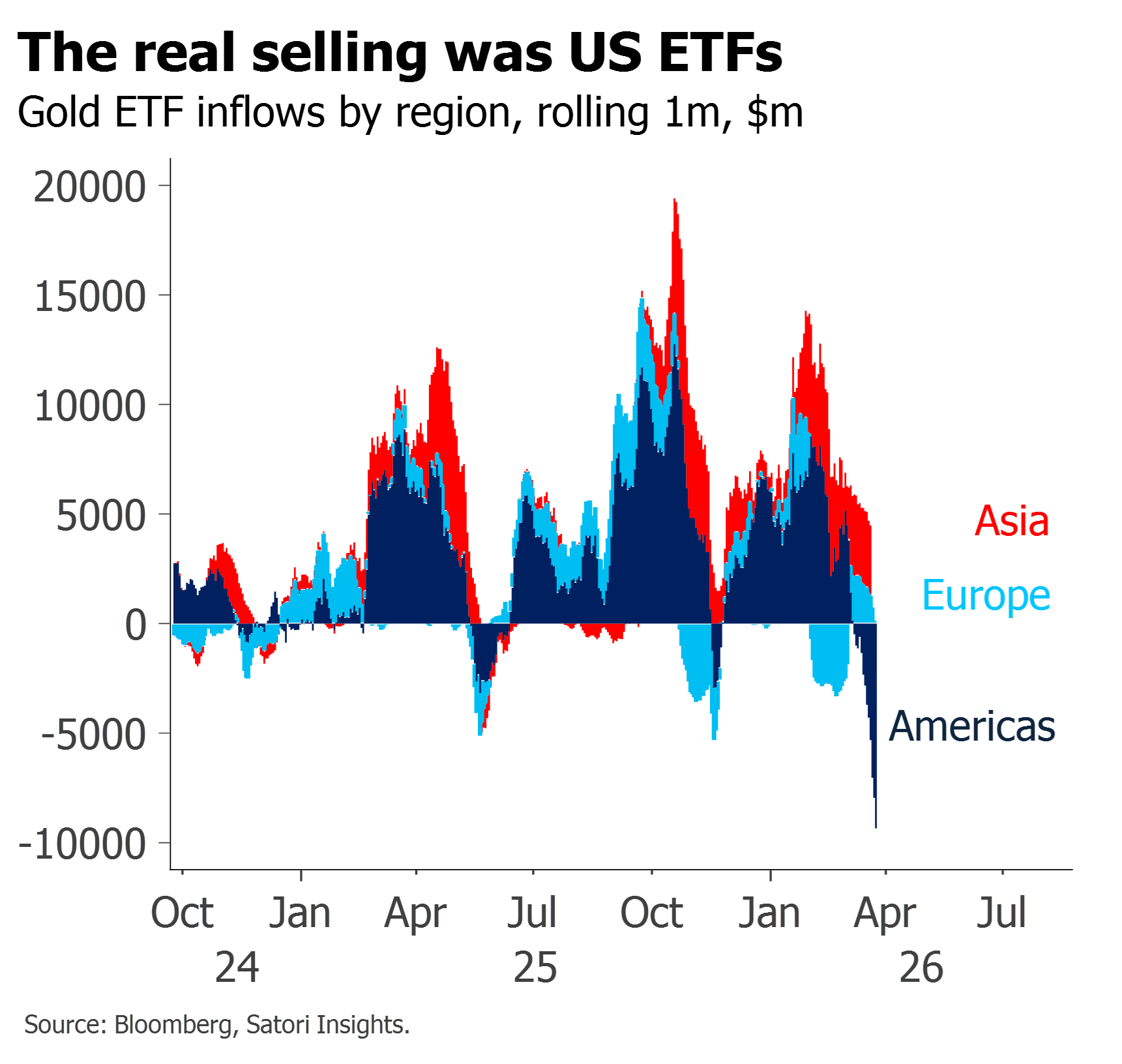
- The turmoil in markets says as much about positioning as it does
about stagflationary risks or the mercuriality of President Trump
- The immediate flight into $ cash reflects the unwind of active
positions
- But beneath the surface – and gold’s dramatic fall notwithstanding –
the US’ safe-haven status is visibly fraying

- Our favourite US capital flight chart analytics
- Updated as of date above
- Valuation & positioning metrics for USTs, USD and gold

- Now with added high-frequency charts
- Up-to-date snapshot of the most important flows & liquidity metrics
- CB liquidity vs multiple markets
- Private vs central bank credit
- Mutual fund+ETF flows
- CB balance sheet details

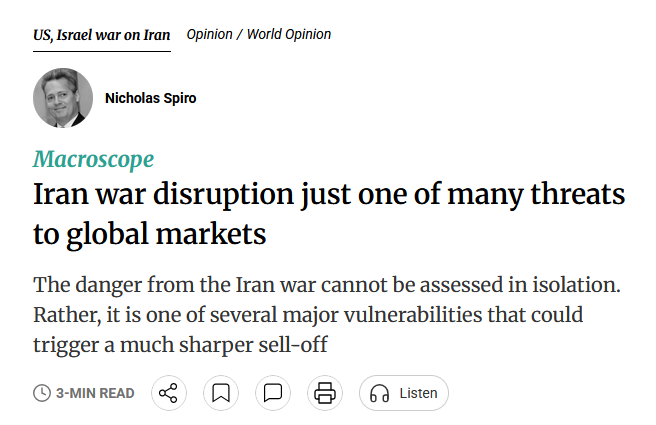
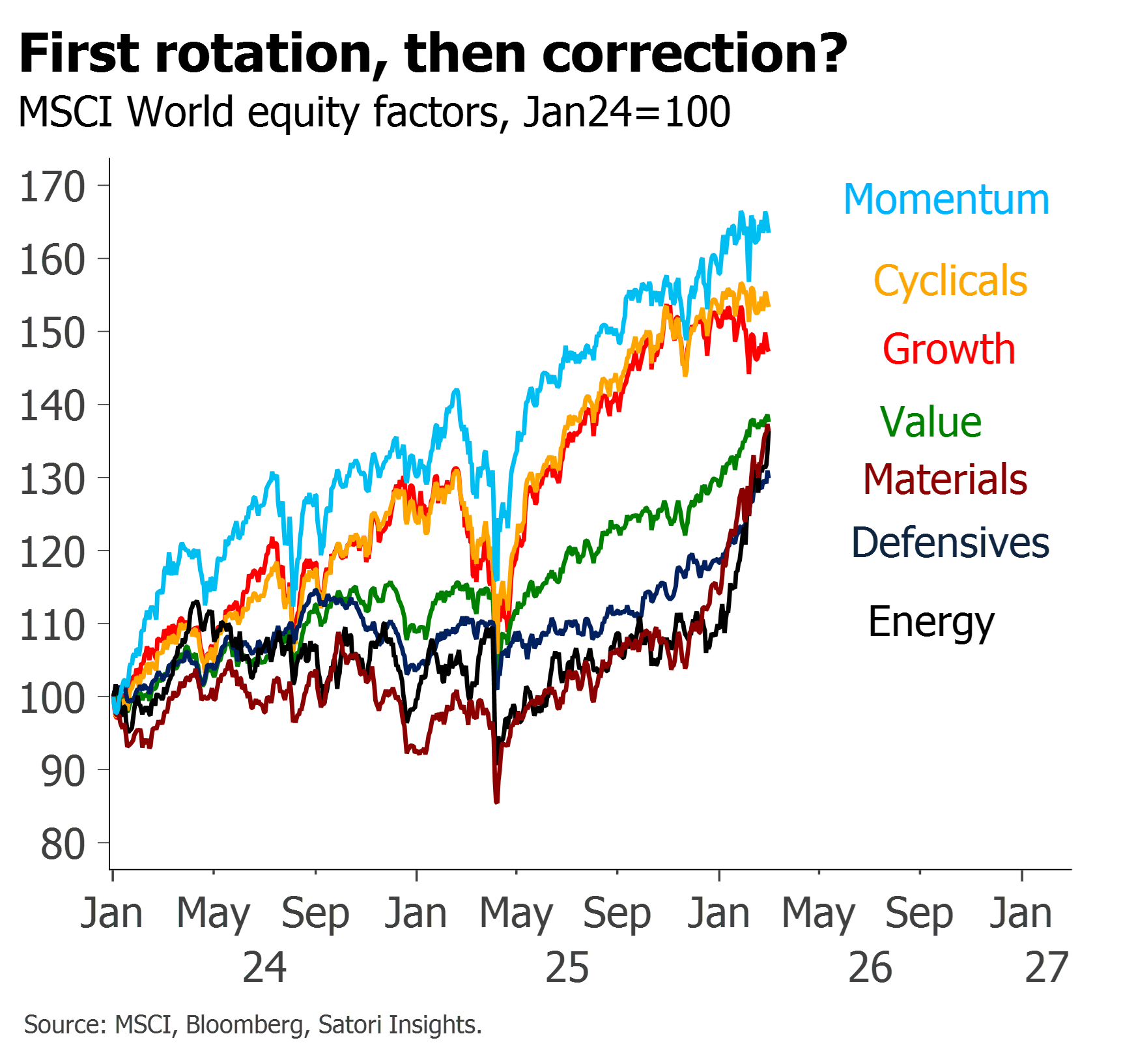
- War in the Middle East is interacting with prior market vulnerabilities
- The problem lies neither with the growth outlook nor with the risk of an inflation spike
- It is that investors suddenly have multiple reasons to shift from what had already been violent risk rotation to outright risk reduction

- Warshian balance sheet contraction need be neither psychological thriller nor horror flick
- Non-US jurisdictions combine lower reserves with less money market volatility
- It’s just a question of shifting from supply-led to demand-led liquidity provision
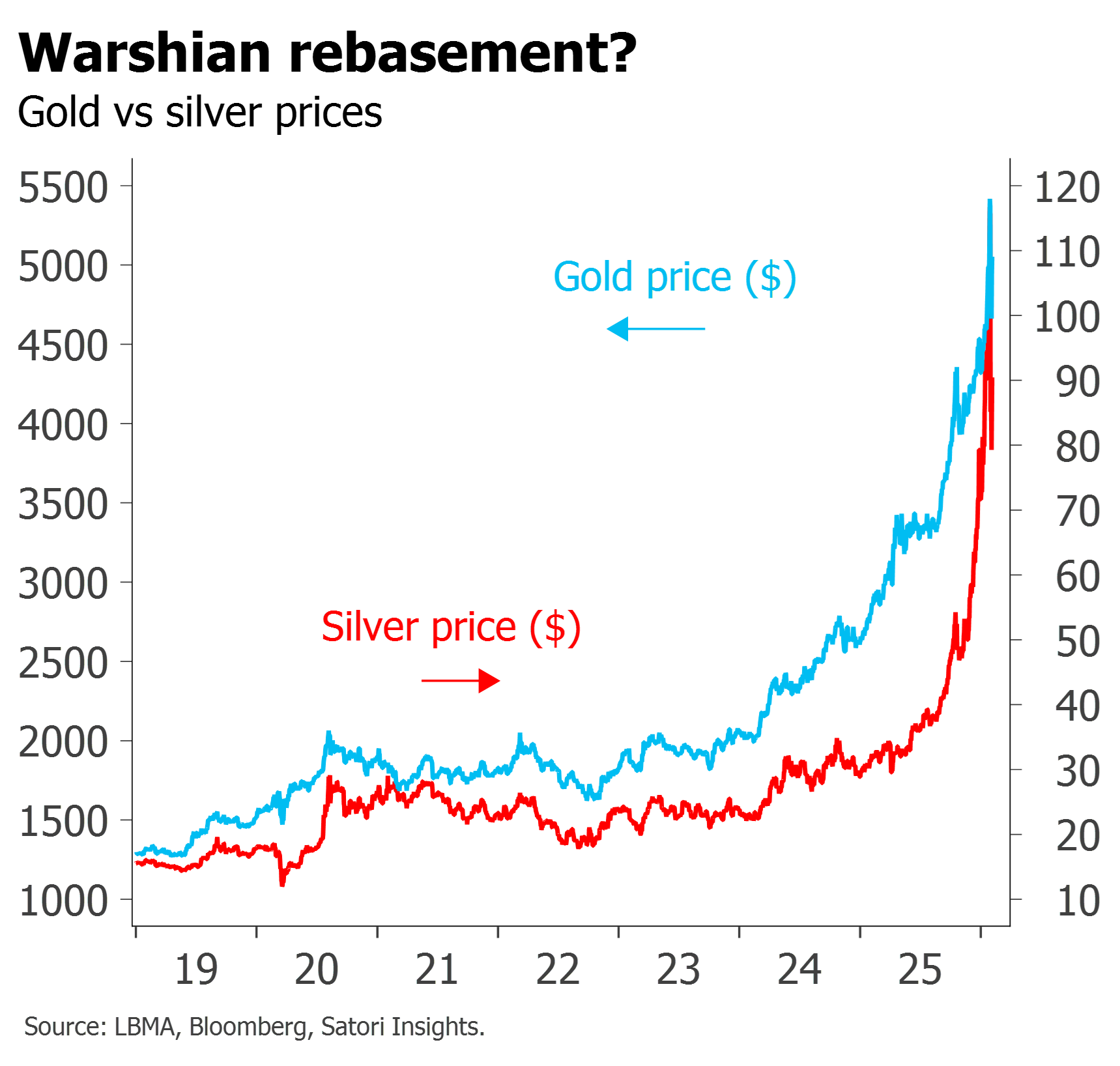
- Markets are starting to recognize the radicalism of a Warshian Fed
- But they are pricing its impact too narrowly
- The key involves understanding the link between balance sheet, rates, and affordability
- Free clip from 23 Jan webinar
- Consensus around 2026 forecasts is completely at odds with real-world uncertainty
- The trick for investors is finding ways to position for underpriced regime change risks without simply disinvesting
- First 15 minutes free to view; full version only for clients with Group Webinar and One-on-one subscriptions
- Full replay of 23 Jan webinar
- Consensus around 2026 forecasts is completely at odds with real-world uncertainty
- The trick for investors is finding ways to position for underpriced regime change risks without simply disinvesting
- First 15 minutes free to view; full version only for clients with Group Webinar and One-on-one subscriptions